There are no items in your cart
Add More
Add More
| Item Details | Price | ||
|---|---|---|---|

In today’s fast-moving world, being good with money isn't just a “nice to have” skill — it’s essential for long-term success and stability. Unfortunately, traditional schooling rarely teaches real-life money skills. That’s where financial education for children comes in — and why platforms like FiinBuddy exist: to help kids learn money skills early through fun, engaging lessons designed especially for young minds.
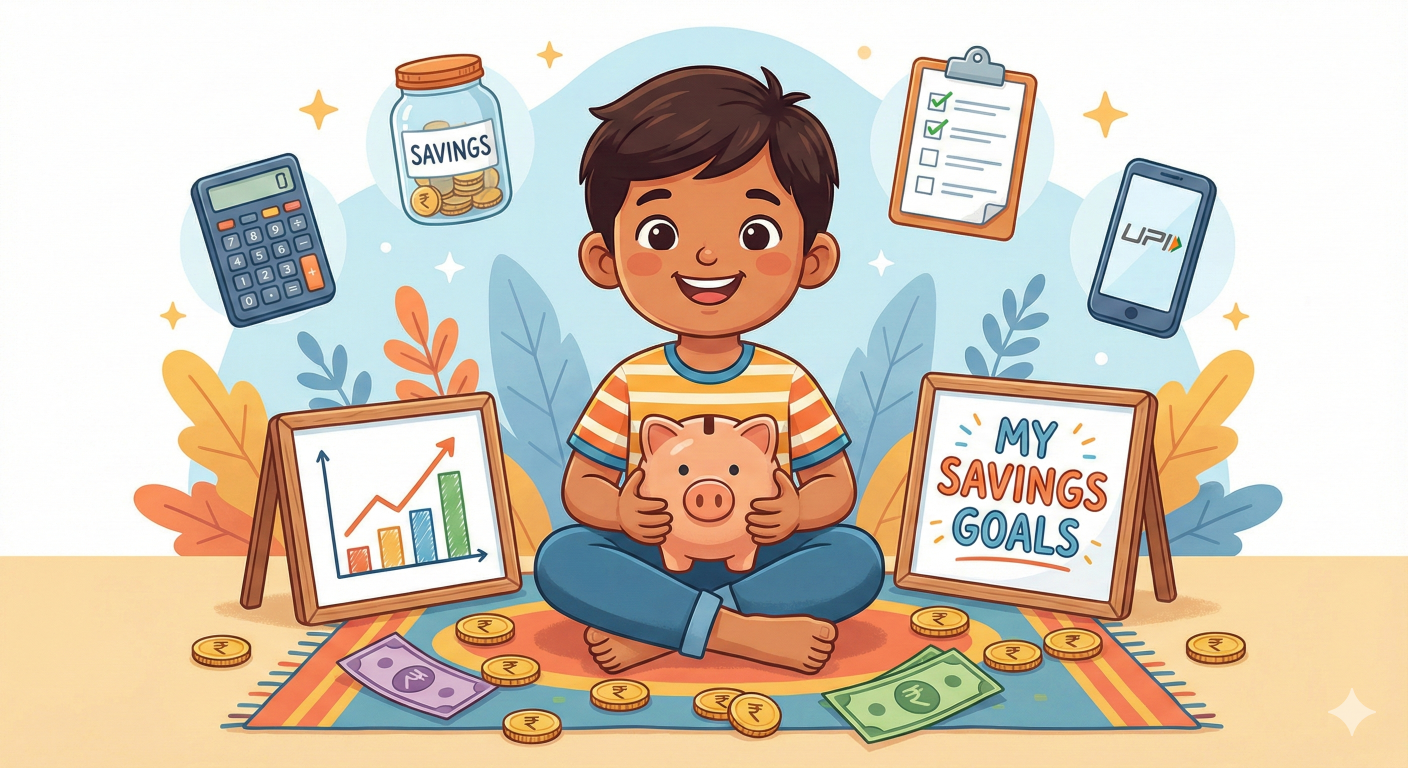
What is Money Education for Kids?
Money education - often called financial literacy is the ability to understand and effectively use financial skills like earning, saving, spending, budgeting, and making smart choices with money. For children, this means learning where money comes from, how to manage it, and how to make thoughtful decisions about it. FiinBuddy’s approach focuses on simple, story-driven lessons that help young learners build strong financial habits, using activities, quizzes, and real-world examples so the learning sticks.
What is Money Education for Kids?
Money education, often called financial literacy is the ability to understand and effectively use financial skills like earning, saving, spending, budgeting, and making smart choices with money. For children, this means learning where money comes from, how to manage it, and how to make thoughtful decisions about it. FiinBuddy’s approach focuses on simple, story-driven lessons that help young learners build strong financial habits, using activities, quizzes, and real-world examples so the learning sticks.
Why Start Early?
1. Early Habits Stick for Life
Children start forming money habits as young as age 7, and these habits often carry into adulthood. Teaching financial concepts early helps kids develop healthy spending and saving habits, making it easier to manage money wisely later in life. Money education isn’t just about math — it teaches decision-making, self-control, and discipline — life skills that benefit children far beyond their wallets.
2. Builds Confidence and Independence
When children understand money — even something as basic as saving up for a toy — they feel more in control of their choices. This financial confidence grows with age and translates into a stronger sense of responsibility and independence. Confidence with money also reduces anxiety about financial issues later in life — something that many adults struggle with due to lack of early financial guidance.
3. Prepares for Real-World Financial Decisions
Today’s children will encounter complex financial decisions early: digital payments, loans, credit cards, online shopping, or mobile banking. Financial education equips them to approach these with knowledge instead of guesswork, helping them avoid pitfalls like impulsive spending or debt accumulation later in life.
4. Encourages Smart Money Management
Learning to manage money early means children can:
Budget - decide how much to spend versus save
Set goals - save for what matters instead of impulsive buys
Understand earning - value how money is earned and why work matters
These skills are critical for adulthood and foster financial discipline and foresight.
5. Helps Avoid Financial Mistakes Later
Studies show that individuals with strong early financial education make fewer costly financial mistakes later — such as overspending, excessive debt, or poor credit decisions. This can also affect long-term factors like savings, investment decisions, and even retirement planning — making early education a true lifelong investment.
6. Teaches Emotional and Social Aspects of Money
Financial literacy isn’t only about numbers. It includes understanding generosity (like sharing or donating), the value of delayed gratification, and how money affects relationships. These lessons build empathy and emotional intelligence around financial behavior.
How to teach Money to Children
While platforms like FiinBuddy offer structured courses, parents and educators can also help children learn about money through:
Real-life activities — give an allowance and talk about budgeting.
Goal-based saving — saving for a specific toy or event.
Involving kids in money decisions — like grocery budgeting or comparing prices.
Play and games — learning through fun, interactive experiences.
By making money education engaging and age-appropriate, children not only learn, but enjoy the process.
In Summary
Money education for children isn't an extra curriculum — it’s a foundation for a confident, responsible, and financially secure future. Beginning early helps kids grow into adults who understand the value of money, make thoughtful decisions, and build healthy financial habits that last a lifetime. FiinBuddy and similar financial literacy programs are helping close this education gap by making money learning accessible, practical, and fun for children as young as 5.
Give your child the gift of financial confidence with fun, story-based lessons designed for ages 5–15. Build strong money habits early—one lesson at a time.
Start Learning Now Launch your Graphy